A Guide to Pet Skin Health from a Veterinarian Near You in Mission Hills, CA
Healthy skin is your pet’s first line of defense against the outside world. It protects against infection, regulates temperature, and acts as a barrier to allergens and irritants. When something goes wrong with the skin, unfortunately, it doesn’t take long before the signs become obvious—scratching, redness, flaking, or hair loss. At Granada Veterinary Clinic, your veterinarian in Mission Hills, CA, we believe that understanding your pet’s skin is the first step toward keeping them healthy. Here's a guide to what matters most when it comes to skin health.
Understanding What Healthy Skin Looks Like
A healthy coat is typically soft, shiny, and free of dandruff or bald patches. The underlying skin should be smooth and a pale pink or pigmented tone, depending on your pet’s breed and coloring. It should not have bumps, scabs, or areas that smell unpleasant. If you notice sudden changes, it may be more than just a grooming issue.
Common signs of skin trouble include:
● Frequent scratching, licking, or chewing
● Redness or inflammation
● Dry or flaky patches
● Hair thinning or loss
Common Causes of Skin Problems
Skin issues can have many origins, and sometimes more than one factor is at play. The most frequent causes include:
● Allergies: These can be triggered by food ingredients, environmental factors like pollen, or flea bites.
● Parasites: Fleas, ticks, and mites are small but cause major discomfort.
● Infections: Bacterial or yeast infections often follow after the skin is compromised.
● Hormonal Imbalances: Conditions like hypothyroidism or Cushing’s disease can lead to skin and coat changes.
● Nutritional Deficiencies: A poor diet can lead to dull coat, brittle hair, or itchy skin.
How to Support Skin Health at Home
Skin maintenance isn’t just something done in a clinic: It can start at home with consistent care. Here are a few tips:
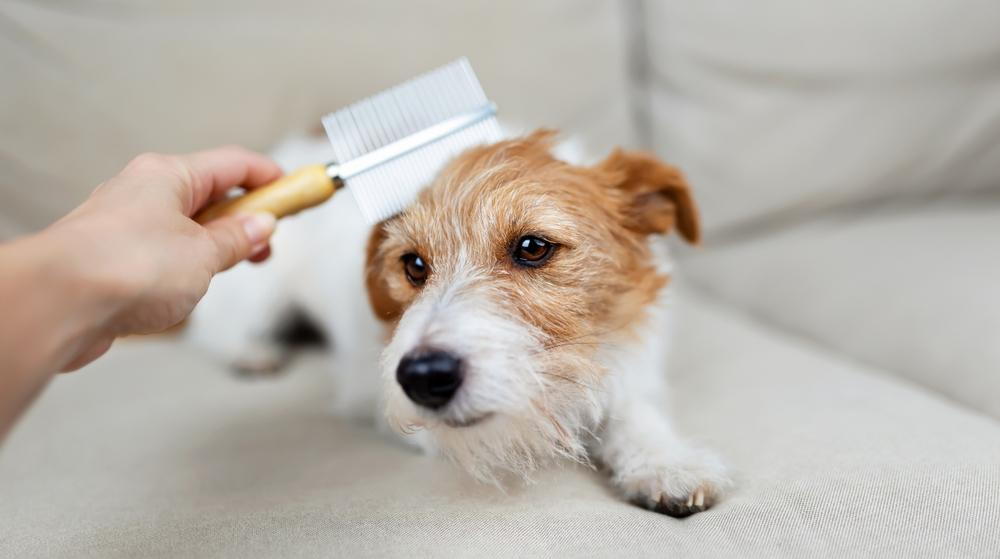
● Routine Grooming: Brushing removes dead hair and spreads natural oils, keeping the coat smooth and healthy.
● Balanced Diet: Look for pet foods with essential fatty acids like omega-3s, which support skin hydration.
● Flea Prevention: Stay on top of monthly preventives, even in cooler months.
● Bathing Wisely: Too much washing can strip natural oils. Use vet-approved shampoos when needed.
● Hydration: Encourage drinking throughout the day, especially if your pet eats dry kibble.
When to Seek Veterinary Care
If your pet’s skin condition isn’t improving with home care, it’s time to visit the clinic. Persistent scratching, hair loss, or open wounds can lead to secondary infections if left untreated. At Granada Veterinary Clinic, we can perform diagnostics to find the cause of the issue.
Visit Us for Pet Dermatology Treatment from a Veterinarian Near You
Your pet’s skin may not say much out loud. It can, however, speak volumes through signs and symptoms. By paying attention to changes and staying proactive with care, you can help your pet stay comfortable and protected. Healthy skin is more than just a surface issue—it’s a reflection of total wellness. Call us at (818) 361-0125 for pet dermatology treatment from a veterinarian near you. We at Granada Veterinary Clinic, your veterinarian in Mission Hills, CA, are here to help.