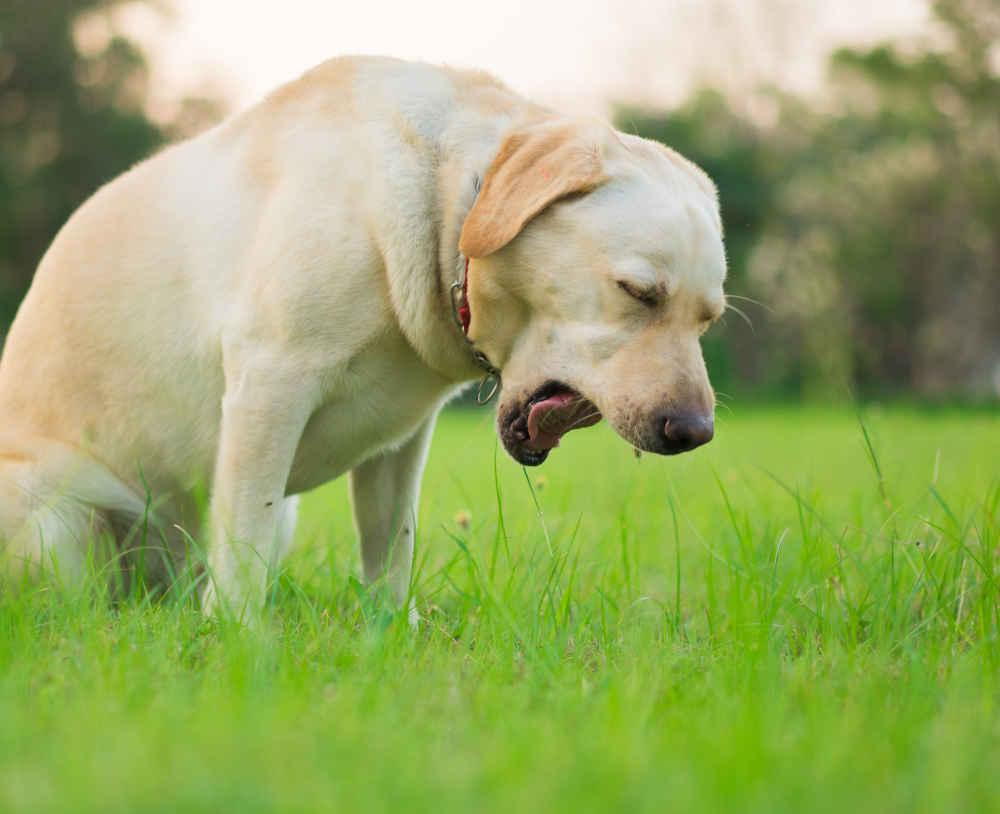
Understanding Food Poisoning Risks for Your Dog
Ensuring the safety of your canine companion involves understanding what they consume on a daily basis. Food poisoning occurs when a dog or puppy ingests toxic substances, bacteria, or spoiled items. Dog owners must remain vigilant about the various hazards found in common household kitchens. Prompt action is required when a pet shows signs of distress after eating something suspicious.
Common Sources of Toxicity in Canines
Many human foods that are safe for people can be incredibly dangerous for your pet. Grapes, raisins, onions, and garlic are known to cause severe internal damage or organ failure if ingested. Xylitol, which is an artificial sweetener found in many sugar-free gums and peanut butters, can lead to a rapid drop in blood sugar and liver failure. If your animal consumes these items, you should contact a veterinarian near you immediately to prevent the absorption of toxins. Bacteria such as Salmonella or E. coli can also be found in raw or undercooked meats and can affect your animal just as they affect humans.
Recognizing the Symptoms of Food Poisoning
The clinical signs of gastrointestinal distress vary depending on the specific toxin involved. Owners often see vomiting, diarrhea, lethargy, or a sudden loss of appetite in their pets. In more severe cases, neurological symptoms like tremors, seizures, or a lack of coordination might be present. Since every animal reacts differently to toxins, a professional evaluation is the best way to determine the severity of the situation. Your veterinarian can perform diagnostic tests to identify the cause of the illness and begin the appropriate treatment.
The Role of Pet Exams in Prevention and Recovery
Regular pet exams are essential for maintaining the overall health of your dog. During these visits, a veterinarian assesses the organ function and nutritional status of your puppy to ensure their body can handle minor stressors. When food poisoning is suspected, the medical team will use intravenous fluids to prevent dehydration and support the kidneys. Medications may be administered to induce vomiting or to coat the stomach lining to prevent further irritation. Comprehensive wellness checks allow your veterinary professional to establish a baseline for your pet, which makes it easier to spot abnormalities during an emergency.
Creating a Safe Environment at Home
Granada Veterinary Clinic provides the guidance and care necessary to help your pet recover from any digestive crisis. Professional support is always available for those living in Mission Hills, CA, who need expert medical advice. To learn more or schedule an appointment, call our office at (818) 361-0125.